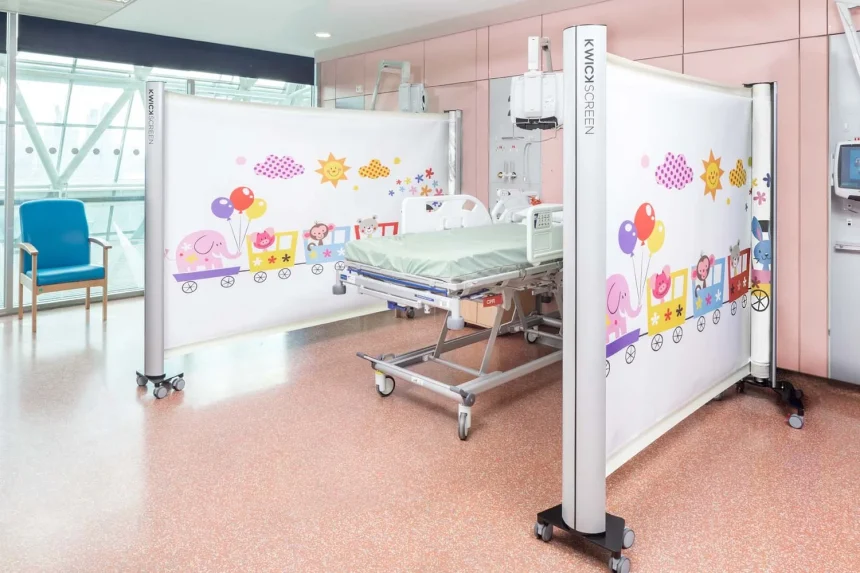
For children and their families, medical visits can be overwhelming. Unfamiliar sounds, equipment, and routines often create anxiety well before care begins. Thoughtful design, however, has the power to shift that experience. When pediatric healthcare spaces are created with intention, they can help ease fear, promote comfort, and support emotional well-being throughout a child’s visit.
Playful design elements are one of the most effective ways to create a welcoming atmosphere. Waiting rooms that include interactive activities, colorful artwork, or hands-on features encourage exploration rather than apprehension. In exam and treatment rooms, child-friendly visuals and simple distractions help redirect attention and reduce stress. These details soften the clinical feel and make the space more approachable for both young patients and their caregivers.
Accessibility is just as important. Much like design considerations in large public venues, pediatric facilities benefit from layouts that account for a wide range of physical and sensory needs. Wider walkways, adaptable seating, and sensory-conscious features can make a meaningful difference for children with disabilities or heightened sensitivities. Small adjustments, such as adjustable lighting or fixtures placed at child-height, can significantly improve comfort and independence.
Shared spaces also contribute to emotional support. Family lounges, outdoor areas, or quiet indoor retreats provide places to decompress during long appointments or hospital stays. For older children and teens, areas designed for social interaction can help ease feelings of isolation and foster a sense of normalcy during treatment.
Personal touches further strengthen a child’s sense of security. Allowing families to bring familiar items like blankets, photos, or favorite toys can help children feel more in control of their surroundings. While private rooms may not always be available, designated quiet zones offer space for rest, conversation, and emotional relief, reinforcing the bond between patients and their support systems.
Nature-inspired elements can also play a calming role. Soft lighting, gentle color palettes, natural materials, and greenery help reduce sensory overload and create a more peaceful setting. These design choices may seem subtle, but they contribute significantly to feelings of safety and comfort.
Finally, spaces that encourage caregiver presence are essential. When parents can remain close through comfortable seating, overnight accommodations, or inclusive care layouts, trust is strengthened and anxiety is reduced. This sense of connection supports not only families but also the overall healing process for the child.
By focusing on comfort, accessibility, personalization, and emotional care, pediatric healthcare environments can move beyond function alone. They can become supportive spaces that nurture confidence, ease stress, and empower families at every stage of the care journey.
For more information on how pediatric healthcare facilities can reduce anxiety, see the accompanying resource from Dimensional Innovations, an environmental design agency.
Embed Code: