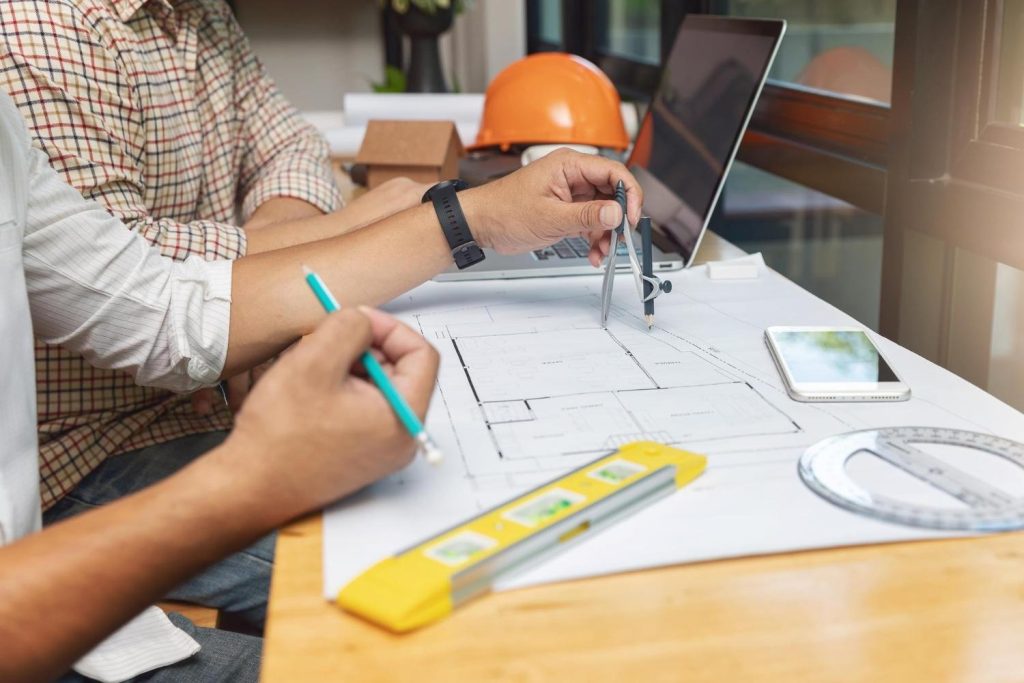
Cities like Dubai are built on ambition. Towering skylines, advanced industrial zones, and fast-growing communities all demand projects that move quickly without losing precision. In such an environment, the way a building comes to life matters just as much as the materials used to construct it. Increasingly, project owners are turning toward an integrated approach that brings planning, engineering, and execution under one coordinated process.
This method reduces fragmentation and allows decisions to be made with clarity from the very beginning. It encourages collaboration instead of conflict, helping teams stay aligned on cost, quality, and timelines. That is why many developers now rely on design and build services in Dubai, UAE, to deliver projects that are efficient, resilient, and future-ready.
This approach is changing how projects are imagined, delivered, and experienced long after completion.
One Vision Instead of Many Voices
Traditional construction often involves multiple parties working in silos. Architects design, consultants review, contractors build, and suppliers deliver, sometimes with limited coordination. While this method can work, it often leads to delays, revisions, and budget overruns.
An integrated project delivery model begins differently. From day one, all stakeholders collaborate around a shared vision. Design decisions are made with real-world construction constraints in mind. Engineering solutions are tested early. Costs are evaluated alongside creativity, not after it.
The result is clarity. Everyone involved understands the project’s goals, timeline, and limitations before the first foundation is poured.
Why This Matters in Fast-Paced Markets
In a place like the UAE, speed is not a luxury, it’s a requirement. Commercial developments, industrial facilities, and even residential projects operate on tight schedules. Delays can mean lost revenue, regulatory challenges, or missed market opportunities.
Integrated delivery reduces these risks by aligning teams early. Instead of reacting to problems on site, potential issues are anticipated during planning. Structural systems, materials, and construction methods are selected for efficiency and durability, not just aesthetics.
This proactive mindset is why many clients now seek design and build services in Dubai, UAE, when planning complex or time-sensitive projects.
Cost Control Without Compromising Quality
One of the biggest fears clients have is losing control over costs. When design and construction are separated, budgets can spiral as changes occur mid-project. Integrated delivery flips this dynamic.
Because costing is embedded in the design phase, decisions are made with financial transparency. Clients see how choices impact budgets in real time. Adjustments happen early, when they are easier and less expensive to implement.
This does not mean cutting corners. On the contrary, it allows teams to invest where it matters most structural integrity, safety, sustainability, and long-term performance while avoiding unnecessary expenses.
A More Human Way to Build
Behind every project is a human story. A warehouse supports a growing business. A commercial building becomes a place where ideas are exchanged. A solar installation helps reduce environmental impact.
Integrated project delivery respects these stories by focusing on outcomes, not just outputs. The process becomes collaborative rather than transactional. Clients are involved, informed, and empowered throughout the journey.
This relationship-driven approach is one reason many organizations prefer working with a single accountable design and build company rather than managing multiple contracts and responsibilities.
Engineering Solutions That Match Real Conditions
Dubai’s environment presents unique challenges, high temperatures, coastal humidity, and strict regulatory standards. Designs that look perfect on paper may not always perform well on site.
When engineering and construction teams collaborate from the start, solutions are grounded in reality. Structural systems are selected based on local conditions. Materials are chosen for durability and availability. Construction methods are optimized for safety and speed.
This alignment reduces rework and ensures that what is designed can be built efficiently, safely, and to the highest standards.
Sustainability as a Practical Choice
Sustainability is no longer just a buzzword. It’s a practical requirement driven by regulations, operating costs, and environmental responsibility. Integrated delivery makes sustainable choices easier to implement.
Energy-efficient systems, optimized steel structures, and renewable energy solutions can be incorporated seamlessly when planning and execution are aligned. Instead of retrofitting green features later, they become part of the project’s DNA.
This holistic thinking supports long-term value, not only for owners but also for the communities that use these spaces every day.
Reduced Risk, Clear Accountability
One of the most overlooked benefits of integrated delivery is risk management. With a single point of responsibility, accountability becomes clear. There is no finger-pointing between designers and contractors if challenges arise.
Issues are resolved faster because the same team that designed the solution is responsible for building it. This clarity builds trust and allows projects to move forward with confidence, even when unexpected conditions emerge.
Adaptability in a Changing World
Markets evolve. Regulations change. The client needs a shift. Projects that can adapt are the ones that succeed.
Integrated teams are better equipped to respond to change because communication lines are short and decision-making is centralized. Adjustments can be evaluated quickly for technical feasibility, cost impact, and schedule implications.
This flexibility is especially valuable in industries like industrial construction, commercial development, and renewable energy, where innovation moves fast.
More Than a Method – A Mindset
At its core, integrated project delivery is not just about contracts or processes. It’s about mindset. It’s about seeing construction as a collaborative journey rather than a series of disconnected steps.
When teams work together from concept to completion, buildings become more than structures. They become well-planned solutions that serve their purpose efficiently and stand the test of time.
Conclusion: Building Smarter, Together
As cities grow and projects become more complex, the way we build must evolve. Integrated project delivery offers a smarter, more human approach, one that values collaboration, transparency, and long-term performance.
For clients seeking reliability, efficiency, and a seamless journey from idea to execution, working with experienced teams that embrace this approach can make all the difference. This philosophy is clearly reflected in the work delivered by Biston Construction Company, where thoughtful planning and precise execution come together to shape projects that truly work.