The growth of digital technology has transformed the way financial transactions are conducted across Indonesia. Cash payments are increasingly accompanied by electronic alternatives that allow consumers to complete purchases through smartphones and digital banking applications. Among these developments, the Quick Response Code Indonesian Standard, commonly known as QRIS, has become an important part of the country’s digital payment infrastructure. Its ability to simplify and accelerate transactions has contributed to changes in consumer behavior, merchant operations, and the broader financial ecosystem.
Understanding the Role of QRIS in Digital Payments
QRIS is a standardized QR payment system developed to create greater compatibility between merchants and different payment service providers. Before standardization, merchants could need separate QR codes for various digital payment applications. A unified standard reduces this complexity by allowing compatible applications to process payments through the same merchant QR code.
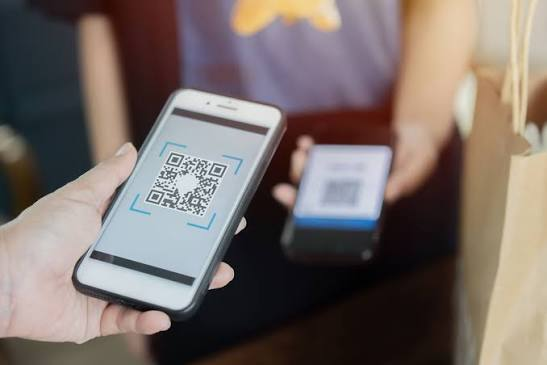
For consumers, the process generally involves opening a supported payment application, scanning the merchant’s QR code, checking the displayed transaction details, and confirming the payment. Once the transaction is successfully processed, a digital confirmation is provided. This streamlined procedure reduces several physical steps associated with conventional cash payments.
The time required for a transaction can be particularly important in environments with high customer volumes. Restaurants, retail stores, transportation services, and small shops can benefit from payment procedures that require fewer manual actions. Faster processing can help reduce queues and allow merchants to manage customer traffic more efficiently.
Transaction Speed and Consumer Behavior
The convenience of rapid digital payments can influence how consumers approach everyday purchases. When payment does not require cash preparation or physical change, smaller transactions can become more convenient to complete electronically. Consumers may also find it easier to review transaction records through their payment applications.
This development has encouraged digital payment methods to become part of routine financial behavior. Online services may use terminology such as Slot Deposit 5000 when describing specific low-value payment amounts, but the underlying payment principle remains the same: digital funds are transferred through an electronic payment channel and recorded within the relevant system.
Digital transaction records also provide a useful reference for personal financial management. Instead of relying on physical receipts alone, users can review previous payments through application histories, depending on the features provided by their financial service provider.
Benefits for Micro and Small Businesses
Small businesses represent an important part of the digital economy. Many micro and small enterprises operate with limited equipment and financial resources, making complicated payment infrastructure impractical. QR-based payments provide a relatively straightforward method for accepting electronic transactions without requiring traditional card terminals.
A merchant can display a standardized QR code at a counter, stall, or service location. Customers then use a compatible payment application to complete their purchases. This approach can reduce dependence on cash while giving businesses access to electronic transaction records.
Digital payments may also support more organized bookkeeping. Transaction histories can help business owners monitor incoming payments, compare sales periods, and maintain financial documentation. These records can become useful when businesses evaluate revenue patterns or plan operational expenses.
Standardization and Financial Interoperability
One of the significant aspects of QRIS is interoperability. A standardized system allows participating payment applications and merchants to interact within a common framework. This reduces fragmentation in the payment environment and gives consumers greater flexibility when choosing an available payment application.
Interoperability also supports the development of financial technology services. Providers can build additional features around established payment infrastructure rather than requiring merchants to adopt entirely separate systems for every service. This can contribute to a more connected digital financial environment.
The presence of QR-based payment options is also increasingly visible across different online services. The phrase Slot Qris can be encountered in digital contexts where QR-based payment methods are discussed, illustrating how QR technology has expanded beyond traditional physical retail environments.
Security in QR-Based Transactions
Transaction speed must be supported by appropriate security practices. Before confirming a payment, users should examine the merchant information and transaction amount displayed by the payment application. This verification step is important because QR codes can be copied, replaced, or presented in misleading contexts.
Users should also protect passwords, personal identification numbers, and authentication credentials. Payment applications commonly use authentication procedures to confirm transactions, although the specific security process depends on the service provider.
Merchants likewise have responsibilities when accepting digital payments. They need to ensure that displayed QR codes correspond to the correct business account and monitor transaction confirmations accurately. Clear payment verification procedures can help prevent misunderstandings between merchants and customers.
Digital Records and Economic Activity
Electronic payment records create another layer of information within the digital economy. Each completed transaction can generate data relating to payment amounts, timing, and transaction status. When handled according to applicable privacy and data protection requirements, this information can support accounting, reconciliation, and business administration.
For consumers, transaction histories can provide a clearer overview of spending patterns. For merchants, electronic records can simplify daily reconciliation and reduce dependence on handwritten notes. At a broader level, widespread digital transactions contribute to an increasingly connected financial infrastructure in which payments, business operations, and financial services can interact more efficiently.