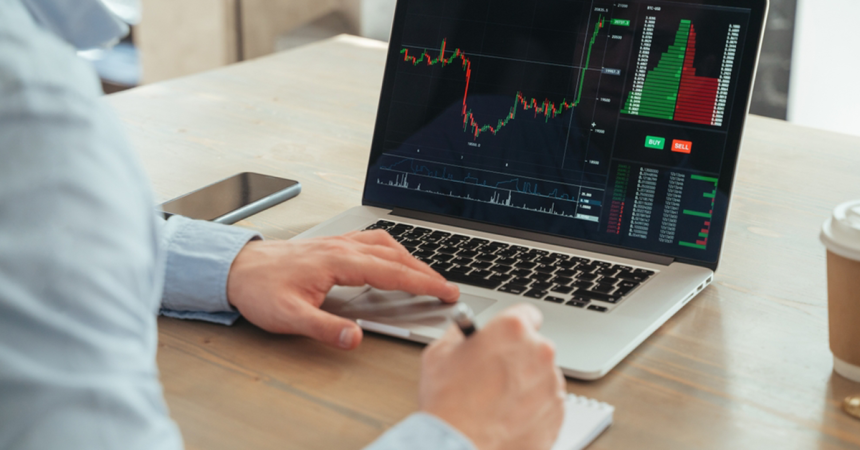
Jumping straight into live market action without passing an evaluation brings a rush of adrenaline that tempts many folks to click buttons all day long. When you’re managing capital through FundingPips, firing off too many orders is the fastest way to bleed your equity through commissions and bad entries. Keeping your trigger finger under strict control separates the traders who build long-term consistency from those who burn out fast.
Why do traders get hit with the urge to overtrade right after securing live capital?
It’s all about that initial rush of excitement and the subconscious pressure to prove you belong in the game. When you grab an instant funded account, your brain feels a desperate need to stay active on the terminal to justify your presence. You start seeing setups in every random wiggle of a five-minute chart, even when price action is completely dead. That constant need for action makes you take low-probability trades that your system would normally ignore entirely. You’ve got to realize that being a professional means sitting on your hands for hours while waiting for a pristine setup to develop.
How can I stop myself from forcing trades during a slow and choppy morning session?
Patience is a muscle that gets sore if you don’t stretch it during quiet, sideways market hours. When price action grinds aimlessly and refuses to show a clean direction, desperate traders start inventing entries out of thin air. You’ll find yourself clicking buttons just to feel the thrill of having skin in the game. That’s a massive trap because commission fees and tiny spread slippages will chew up your balance before a real trend even forms. Treat your charts like a sniper rifle rather than a machine gun; you don’t fire until the target lines up perfectly with your system’s rules.
What makes revenge trading after a small loss turn into a full-scale overtrading spiral?
Anger is a terrible advisor when you’re staring down a red position on your live screen. If an early morning trade goes south, your first instinct is usually to jump right back in and claw that money back immediately. That emotional surge blinds you to market structure, turning a single minor setback into a frantic series of revenge orders. Before you know it, you’ve hit your daily loss limit and locked yourself out of the system. You have to treat your terminal like a hot stove; if you get burned once, you walk away instead of slamming your hand back down on the burner.
How do strict daily drawdown limits help curb the temptation to take excessive trades?
Hard daily drawdown thresholds act like an unyielding external circuit breaker so your brain doesn’t have to make tough choices while panicking. If you know the system will automatically lock you out after a specific percentage loss, you don’t have to rely entirely on willpower. That built-in safety net takes a massive psychological weight off your shoulders before you even open your first chart. You can sit down knowing there’s a hard floor beneath your feet that stops you from spiraling into total ruin. Embracing those limits as protective gear rather than restrictive handcuffs changes your entire outlook on risk management.
Can testing a strategy in a simulated environment help reduce live trading frequency?
Conditioning your reactions through practice helps build a mental callus that dulls the shock of real market swings. Many traders use a free funded account test or a demo model to get comfortable with waiting out dead periods without risking actual cash. When you already know how long it takes for a clean trend to form, you stop feeling the urge to chase random candles. Treat that rehearsal period as a patience workshop where you watch how your boredom leads to mistakes if you aren’t careful. If you can stay disciplined during practice, you’ll find it much easier to keep your cool when real money is moving on your screen.
What is the best way to choose a platform that supports disciplined execution?
Partnering with a transparent firm gives you peace of mind because you know the rules, payout structures, and support systems are reliable. Searching for the best prop firm often comes down to finding an ecosystem that matches your personal trading style and risk appetite. When you trust your platform provider, you spend less time worrying about hidden clauses and more time focusing purely on your chart analysis. A clean, dependable infrastructure means your orders get filled smoothly even when market volatility spikes unexpectedly against your bias. Having a solid partner makes it much easier to focus on quality over quantity.
Summary
Avoiding excessive order placement requires ruthless emotional patience, strict adherence to daily loss caps, and the discipline to walk away when the market offers nothing. By treating waiting periods as professional downtime rather than wasted hours, you protect your capital from impulsive decisions. Keep your expectations grounded, respect your drawdown limits, and let disciplined stillness pave the way to long-term consistency on your funded account.