
How Audio Conversion Platforms Simplified Media Accessibility
Access to Media Has Become Less Dependent on Format
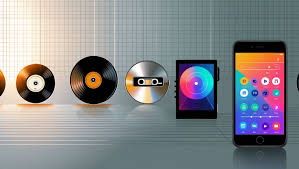
Digital media used to feel tightly bound to its original format. Video stayed as video, audio stayed as audio, and switching between them wasn’t something users typically thought about. That separation has weakened over time as people started focusing more on how content is used rather than how it is delivered.
Today, the same piece of content is often consumed in different ways depending on the situation, device, and attention level of the user.
Vidssave fits into this shift by supporting a more flexible way of handling media without forcing it to remain in a single format experience.
Content Is Increasingly Used Beyond Its Original Design
A video is not always watched as a video anymore. In many cases, the visual part becomes secondary while the audio carries the actual value. This is especially true for long-form content such as tutorials, interviews, and explanations where the information is primarily spoken.
As this behaviour becomes more common, the way people interact with media begins to change naturally. The focus moves away from the screen and toward continuous audio consumption.
In everyday usage, youtube mp4 download reflects this shift where content is treated less as a visual product and more as a reusable audio source.
Simplicity Has Become a Priority in Digital Tools
One of the main reasons audio conversion platforms became widely used is their ability to reduce complexity. Instead of requiring multiple steps or technical understanding, they focus on a straightforward outcome: turning one format into another.
This simplicity matters because users are no longer engaging with media tools as standalone systems. They are using them briefly, repeatedly, and often alongside other tasks.
The easier the process feels, the more naturally it becomes part of regular digital behaviour.
Accessibility Now Includes Flexibility of Use
Media accessibility is no longer only about availability. It now includes how easily content can be adapted to different contexts. A file that can be used across devices, environments, and situations is often more valuable than one tied to a specific platform experience.
Audio conversion plays a key role here by allowing content to move beyond its original structure and become usable in more flexible ways.
Vidssave and the Shift Toward Practical Media Use
Vidssave supports this evolving expectation by focusing on making media more adaptable rather than restrictive. Instead of keeping content tied to a single playback method, it allows users to work with it in a way that better suits their personal usage patterns.
This approach reflects a broader shift where tools are judged less by complexity and more by how easily they fit into everyday media habits.
Accessibility Is Now Defined by Use, Not Format
The biggest change in digital media is not technical, it is behavioural. Content is no longer defined only by how it is created, but also by how it is reused, adapted, and accessed across different situations.
As this continues, youtube video to mp4 becomes part of a wider pattern where accessibility is measured by flexibility and ease of repeated use rather than format constraints.
Access to Media Has Become Less Dependent on Format
Digital media used to feel tightly bound to its original format. Video stayed as video, audio stayed as audio, and switching between them wasn’t something users typically thought about. That separation has weakened over time as people started focusing more on how content is used rather than how it is delivered.
Today, the same piece of content is often consumed in different ways depending on the situation, device, and attention level of the user.
Vidssave fits into this shift by supporting a more flexible way of handling media without forcing it to remain in a single format experience.
Content Is Increasingly Used Beyond Its Original Design
A video is not always watched as a video anymore. In many cases, the visual part becomes secondary while the audio carries the actual value. This is especially true for long-form content such as tutorials, interviews, and explanations where the information is primarily spoken.
As this behaviour becomes more common, the way people interact with media begins to change naturally. The focus moves away from the screen and toward continuous audio consumption.
In everyday usage, youtube mp4 download reflects this shift where content is treated less as a visual product and more as a reusable audio source.
Simplicity Has Become a Priority in Digital Tools
One of the main reasons audio conversion platforms became widely used is their ability to reduce complexity. Instead of requiring multiple steps or technical understanding, they focus on a straightforward outcome: turning one format into another.
This simplicity matters because users are no longer engaging with media tools as standalone systems. They are using them briefly, repeatedly, and often alongside other tasks.
The easier the process feels, the more naturally it becomes part of regular digital behaviour.
Accessibility Now Includes Flexibility of Use
Media accessibility is no longer only about availability. It now includes how easily content can be adapted to different contexts. A file that can be used across devices, environments, and situations is often more valuable than one tied to a specific platform experience.
Audio conversion plays a key role here by allowing content to move beyond its original structure and become usable in more flexible ways.
Vidssave and the Shift Toward Practical Media Use
Vidssave supports this evolving expectation by focusing on making media more adaptable rather than restrictive. Instead of keeping content tied to a single playback method, it allows users to work with it in a way that better suits their personal usage patterns.
This approach reflects a broader shift where tools are judged less by complexity and more by how easily they fit into everyday media habits.
Accessibility Is Now Defined by Use, Not Format
The biggest change in digital media is not technical, it is behavioural. Content is no longer defined only by how it is created, but also by how it is reused, adapted, and accessed across different situations.
As this continues, youtube video to mp4 becomes part of a wider pattern where accessibility is measured by flexibility and ease of repeated use rather than format constraints.