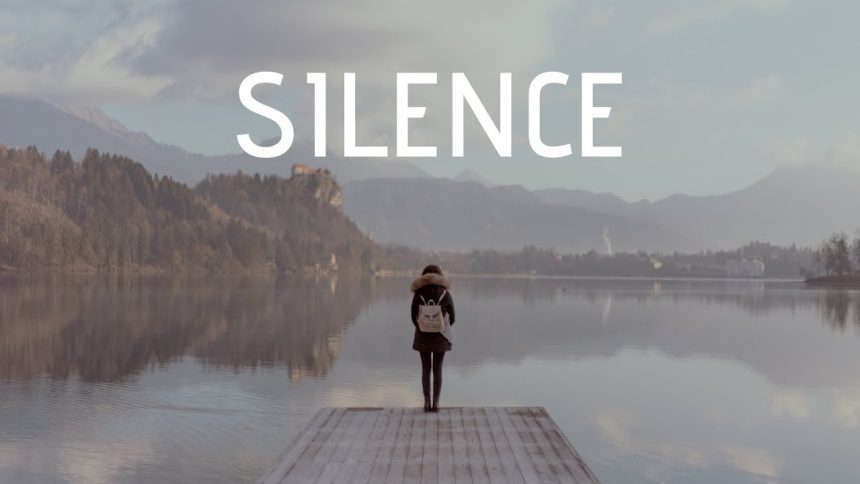
Silence has begun to look like a rare resource. The constant hum of alerts, screens, and conversations leaves little room for stillness. Some people now see quiet not as a lack of activity but as a discipline worth practicing. In a world where attention has become a currency, learning to disconnect takes effort. The same way others track live cricket rates or monitor market trends, a growing number of individuals are now tracking their own attention — choosing when to engage and when to step away. This deliberate restraint has come to be known as digital minimalism.
The Return to Simplicity
Digital minimalism does not reject technology. It questions how much of it we actually need. The idea rests on a simple observation: many tools that began as conveniences now shape how people think and behave. The constant urge to check messages, scroll feeds, or refresh screens has become reflexive.
Practicing digital minimalism means creating distance from this reflex. It asks a person to reduce the number of platforms, notifications, or inputs competing for their mind. The goal is not abstinence but intention — using technology for specific purposes rather than out of habit.
This approach reflects an older pattern in human behavior. Every period of abundance tends to produce a counter-movement toward restraint. Just as minimalism in art and design once arose in reaction to excess, digital minimalism emerges in response to overload.
The Noise of Connection
Most people associate noise with sound, but digital noise is visual and mental. It appears in the constant stream of information that fills the day: news updates, social media posts, and messages. Each piece may seem small, but together they consume attention.
The human brain is not built for endless stimulation. When every moment carries new input, focus weakens. Conversations fragment. Work feels harder to sustain. Even rest becomes shallow when screens stay near.
Digital minimalism, then, is not about nostalgia for a quieter time. It is about recognizing limits. By filtering inputs, people recover a clearer sense of what matters. This clarity often comes not through new technology but through silence.
Silence as an Active State
Silence here does not simply mean the absence of sound. It means creating mental space — pauses in which thought can form without interruption. Historically, silence had practical and spiritual value. Monks, artists, and scholars all sought it for focus and reflection. Today, silence serves a similar function in a different setting: it helps restore balance in an environment that demands constant response.
Practicing silence can take many forms. Some log off social platforms for part of the day. Others remove unnecessary apps or limit screen hours. A few go further, using minimalist phones or notebooks instead of digital devices for certain tasks. Each act shifts the rhythm of daily life, allowing attention to settle.
What surprises many is how difficult this can be. The habit of constant connection runs deep. People often report discomfort in early stages — a sense of missing something. Yet after time, many describe relief. The space once filled by digital noise becomes a place for thought.
The Economic Dimension of Attention
Attention has value. Online platforms are built on keeping users engaged. Every click and scroll fuels an economy that depends on participation. This makes silence a form of resistance — not political in the traditional sense, but economic.
When people practice digital minimalism, they withdraw attention from the cycle of constant consumption. They slow down the flow of data that drives engagement metrics and advertising models. This act of slowing down may seem small, but collectively it represents a shift in power: a reassertion of choice.
The connection between silence and control is not new. In earlier centuries, those who controlled communication — through printing presses or radio stations — shaped culture. Today, the power lies in data. Choosing silence becomes a way of reclaiming part of that control.
Cultural Shifts Toward Mindful Technology
Across Europe and beyond, cultural habits are changing. Workplaces are beginning to recognize the cost of continuous online availability. Some organizations now encourage digital “quiet hours,” while individuals experiment with weekly device breaks.
The movement is not about rejection but recalibration. People are learning that focus, creativity, and rest require space. Silence becomes the tool through which that space is created.
Younger generations, often assumed to be the most digitally attached, are leading parts of this shift. Many prefer fewer but more meaningful digital interactions. They curate what they consume rather than expanding it endlessly. The idea that every moment must be connected no longer feels natural to everyone.
The Challenge of Sustained Practice
Maintaining digital minimalism is not easy. Modern systems are designed to capture attention. Every new message, video, or recommendation competes for it. To practice silence requires discipline — not a rejection of technology, but a steady choice to use it differently.
Some find structure through defined rituals: leaving phones outside the bedroom, avoiding screens before meals, or taking weekly “digital fasts.” These acts do not eliminate technology but redefine its place in life.
The skill lies in knowing when to engage. It is not about silence as an end, but about choosing moments of quiet as tools for balance.
Conclusion
Silence has become a modern competence. In a world filled with signals, learning not to respond to all of them is an act of clarity. Digital minimalism reflects this understanding — that attention, like time, must be managed with care.
The practice does not promise escape from technology but a more deliberate relationship with it. In learning silence, people rediscover focus, calm, and meaning. They learn that not every sound deserves an answer, and not every moment needs to be shared.