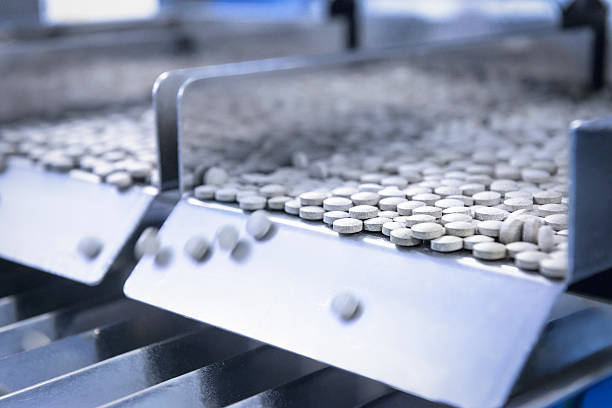
Global markets now demand unprecedented quality controls and supply chain reliability. India’s top manufacturers succeed by committing to international standards and rigorous regulatory compliance. These industry leaders distinguish themselves through heavy investment in certified infrastructure and transparent documentation, exceeding basic requirements to become preferred partners for global brands seeking dependable, high-quality production capabilities.
Certification Standards That Command International Trust
WHO-GMP: The Essential Foundation: The drug manufacturing companies in India that hold WHO-GMP certification undergo rigorous evaluations of operations, quality, and compliance. Rather than mere paperwork, it validates a facility’s operational integrity. International firms prioritise these manufacturers to mitigate compliance risks, as the superiority of WHO-GMP systems becomes undeniably clear during demanding regulatory audits.
EU GMP Elevates Excellence: Top manufacturers invest in clean room technology and environmental controls to meet EU GMP and PIC/s standards. This commitment to quality over price facilitates entry into European markets. Such high-level infrastructure enables successful partnerships with stringent international brands requiring premium manufacturing protocols. This adherence ensures that products meet the safety requirements necessary for high-barrier regions.
Regulatory Flexibility for Expansion: Leading firms adapt quality systems to satisfy diverse global frameworks, including MHRA, TGA, and USFDA guidelines. This expertise allows for seamless multi-market product launches. The ability to navigate complex international landscapes distinguishes truly global organisations from those focused solely on domestic production. These firms employ dedicated regulatory affairs teams to ensure documentation aligns with evolving global statutes.
Scalable Production Systems Built for Market Demands
Consistent Batch Quality: Top manufacturers maintain identical standards across all production volumes through sophisticated process controls and validated procedures. Since inconsistency creates significant market risk, pharmaceutical brands scrutinise batch-to-batch variation. The ability to scale while preserving quality is a hallmark of a capable manufacturing operation. Robust quality management systems (QMS) ensure that every unit produced is safe and effective.
Lean Manufacturing Efficiency: Modern firms employ lean methodologies to eliminate waste and accelerate time-to-market without sacrificing control. By integrating technology and optimised workflows, they offer partners a competitive edge through faster launches and reduced inventory costs. In crowded therapeutic segments, speed often dictates commercial success. This efficiency is achieved through Six Sigma practices and continuous process improvement strategies.
Capacity Planning and Reliability: Properly planned capacity prevents the supply disruptions common in overextended facilities. Through realistic scheduling and transparent communication, reliable partners ensure consistent market presence. Manufacturers demonstrating robust capacity management become invaluable allies, protecting brand reputations by avoiding damaging stockout situations. Advanced forecasting tools are utilised to align production schedules with global demand fluctuations.
Comprehensive Regulatory Documentation Support
Complete Compliance Management: Tier-one manufacturers provide exhaustive documentation, including stability studies and analytical validations, essential for global registration. This support simplifies complex processes for brands lacking internal regulatory expertise. Often, the thoroughness of a manufacturer’s documentation package is more critical to partnership success than raw production capacity. This includes providing Common Technical Documents (CTD) required for international filings.
Stability Testing Infrastructure: Dedicated facilities provide the long-term shelf-life data required by global authorities. By replicating various climate zones, these programmes ensure product performance throughout its marketed life. Standardised bioequivalence testing further demonstrates a manufacturer’s commitment to meeting the clinical demands of international markets. These studies are vital for proving that generic versions perform identically to innovator drugs.
Diverse Formulation Capabilities
Broad Therapeutic Coverage: Extensive formulation libraries, built over years of research, allow brands to enter diverse therapeutic categories rapidly. This breadth enables portfolio expansion through a single partner. Key capabilities include:
- Solid Dosage: Tablets and capsules with various release profiles.
- Liquids: Stable, taste-masked syrups and suspensions.
- Topicals: Specialised dermatological creams and gels.
- Combinations: Validated multi-API formulations.
- Inhalants: Advanced aerosol and powder delivery systems.
Customisation and Sophistication: In-house research allows manufacturers to develop unique formulations tailored to specific market needs while maintaining strict benchmarks. Balancing bespoke development with regulatory compliance requires experienced scientists and vast excipient libraries. Brands value this sophistication over standard catalogue offerings. This includes modified-release profiles that improve patient compliance and therapeutic outcomes.
Quality Infrastructure Preventing Failure
Advanced Laboratory Testing: Equipped with modern instruments like HPLC and GC-MS, in-house laboratories conduct rigorous analyses of materials and finished products. These facilities perform essential assays and microbial testing, significantly reducing the risk of recalls. Robust analytical investment proves a manufacturer’s dedication to verifying quality at every stage. Precise testing ensures that every chemical component meets specified purity levels.
Environmental and Supplier Controls: Continuous clean room monitoring prevents cross-contamination and batch losses, while rigorous supplier qualification ensures raw material integrity. Leading manufacturers use real-time alerts and vendor audits to provide additional layers of assurance. These sophisticated controls are directly linked to the overall reliability of the manufacturing process. Automated HVAC systems maintain strict temperature and humidity levels required for sensitive APIs.
The Strategic Value of R&D Investment
Innovation in Drug Delivery: Leading manufacturers are not just replicating existing drugs but are innovating in how they are delivered. By investing in Novel Drug Delivery Systems (NDDS), they offer products with fewer side effects and better efficacy. This forward-thinking approach provides partners with high-value intellectual property and a significant edge in the marketplace.
Digital Transformation and Industry 4.0: The adoption of digital twins, artificial intelligence, and automated data logging marks the transition to Pharma 4.0. These technologies allow for predictive maintenance of machinery and real-time quality monitoring. Such digital maturity ensures data integrity and prevents the human errors that often lead to regulatory non-compliance, further securing the trust of international stakeholders.
Building Pharmaceutical Partnerships on Quality Foundations
In 2026, India’s leading pharmaceutical manufacturers excel through unwavering commitment to quality, compliance, and transparency. Their investment in certified facilities and diverse capabilities attracts partners who value reliability over mere cost savings. Sustainable growth depends on choosing partners with proven quality systems and international manufacturing credentials. These collaborations are built on a shared vision of global health and operational excellence.