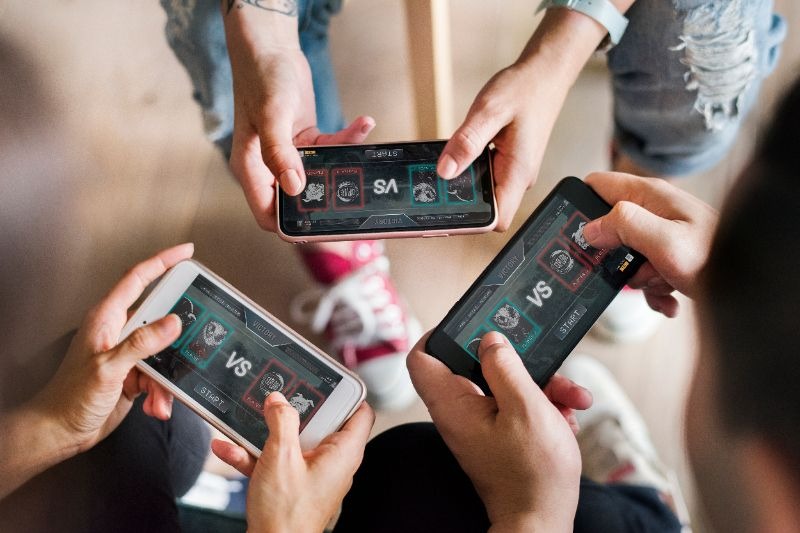
Mobile gaming isn’t slowing down. If anything, it’s getting weirder in the best way: more social, more live, more personalized, and a lot more competitive. The days of “ship a game, buy some ads, hope for the best” are basically over. Now it’s ecosystems, not apps.
That’s also why platforms that blend gaming loops with real-time engagement keep showing up in user searches, including the tamasha gaming app. Not because every player wants the same thing, but because the market is clearly moving toward faster sessions, constant updates, and experiences that feel “live” instead of static.
The big theme: games are turning into services
This isn’t a new idea, but this year it’s unavoidable. Players expect fresh content like they expect new episodes on streaming. And if an app goes quiet for a month? It starts feeling abandoned, even if it’s technically fine.
1) Live ops is the product now, not the add-on
A strong core game still matters, sure. But the teams winning right now are the ones that run the game like a newsroom: a content calendar, weekly drops, seasonal arcs, timely events, fast fixes, and messaging that doesn’t sound like it was written by a robot.
What’s changing this year:
- Shorter, more frequent events instead of long “seasons” with dead weeks
- Better onboarding tied to live events (new users don’t land in an empty room)
- More “moment-based” challenges designed around how people actually play: quick bursts, not marathons
Players don’t just want something to do. They want to feel like they’re showing up while things are happening.
2) Hybrid monetization is getting sharper
The old debate was simple: paid vs free-to-play. Now it’s a whole menu:
- subscriptions
- battle passes
- ad-supported rewards
- cosmetics
- gacha/loot mechanics (still here, still debated)
- microtransactions tuned by user segment
This year, the pressure is on transparency. Players are tired of feeling nudged, trapped, or surprised. Regulators are watching certain mechanics more closely too, especially where minors are involved.
Trend to watch: clearer value exchange.
Games that explain what you’re buying and don’t bury the rules tend to build longer-term trust. Weirdly rare, but growing.
3) Ad experiences are evolving beyond “watch a 30-second clip”
Rewarded ads aren’t going away, but the format is shifting.
Expect more:
- playable ads (mini demos)
- interactive formats that feel less like interruptions
- ad pacing tuned to session length (no more “ad spam” after every tap)
- smarter ad targeting that doesn’t wreck privacy expectations
Players will tolerate ads if the deal is fair. If it isn’t, they don’t complain politely – they uninstall.
4) Social layers are becoming the retention engine
Mobile games used to add social features like an optional extra. Now the social layer is often the main reason people stick around.
This year’s social trend isn’t just “add chat.” It’s:
- lightweight groups and squads that don’t require commitment
- better co-op loops (not just PvP and leaderboards)
- safer community tooling: reporting, moderation, spam control
- social-first events that reward collaboration instead of endless grinding
Also: more games are designing for group chats outside the app. Shareable moments, clip-friendly highlights, easy invites. The “game” is partly happening in WhatsApp, Discord, Telegram, Instagram. Like it or not, that’s reality.
5) Personalization is getting aggressive (sometimes too aggressive)
AI-driven personalization is everywhere: recommended modes, tailored offers, custom difficulty curves, dynamic onboarding, targeted notifications. It can make an app feel smoother… or make it feel creepy and pushy.
The good version:
- remembers preferences (language, controls, UI)
- recommends content that genuinely fits play style
- helps users find the fun faster
The bad version:
- manipulative “urgent” prompts
- over-targeting heavy spenders or vulnerable users
- notifications timed to trigger impulsive behavior
Players are getting smarter about this. The apps that win long-term will be the ones that personalize without acting like a casino floor manager.
6) Real-time gameplay and “second screen” behavior keeps growing
More people play while watching something else. That’s not a theory – it’s how phones are used.
So games are adapting:
- shorter match formats
- instant re-entry after a loss
- live-match features with constant state refresh
- event-based loops tied to sports, shows, or cultural moments
In regions where sports fandom is massive, real-time engagement is a particularly strong magnet. Live markets, live tournaments, live challenges, live everything. The line between “watching” and “playing” gets thinner every year.
7) Competitive mobile gaming is maturing, but casually
Not everyone wants to be an esports pro. Most people just want the thrill of competing without needing a 10-hour practice schedule.
This year, watch for:
- shorter ranked ladders and more frequent resets
- skill-based matchmaking that’s less punishing for new players
- “fairness tech” becoming a selling point: anti-cheat, smurf detection, bot control
- spectator-friendly modes built for streaming and short clips
Competitive doesn’t have to mean hardcore. The strongest games are building both lanes.
8) Security and trust are turning into product features
As soon as money, accounts, or tradable items enter the picture, security stops being a backend concern. Players care about it because they’ve seen what happens when it fails: stolen accounts, drained wallets, fake apps, scam links.
This year’s trust signals that matter more than ever:
- MFA and device verification options
- clear withdrawal/payment rules (for real-money products)
- transparent support that doesn’t ghost users
- protection against fake APKs and lookalike apps
- visible responsible gaming tools where relevant
Trust is now part of UX. It’s not a “legal page” problem.
9) Regulation and compliance will keep reshaping what games can do
Mobile gaming is global, but laws are local. And the gap is widening.
Trends to keep an eye on:
- tighter rules around loot boxes/gacha mechanics in some markets
- stricter age verification requirements where real money is involved
- more scrutiny on advertising practices and influencer promotions
- evolving definitions of “skill” vs “chance” in real-money gaming categories
Games that can adapt quickly – without breaking the user experience – will have a major advantage. The slow, rigid platforms will get squeezed.
10) Localization is becoming deeper than translation
“Hindi support” or “Spanish support” isn’t enough anymore. Serious localization means matching how people actually use apps in that region.
This year, deeper localization looks like:
- region-specific payment methods
- culturally relevant events and themes
- local customer support expectations (channels, tone, response time)
- UI density adjustments (some markets prefer more info on-screen, some less)
- device reality (mid-range Android performance still matters hugely)
The next billion players won’t arrive on flagship phones with perfect Wi-Fi. Games built for ideal conditions will keep losing to games built for real conditions.
11) Discovery is shifting: stores matter less, communities matter more
App Store and Google Play are still huge, but discovery increasingly happens elsewhere:
- TikTok clips
- YouTube shorts
- streamers and creators
- meme pages
- community groups
- friends sharing links
That means the “marketable moment” matters. Games that produce shareable highlights – wins, fails, drama, funny physics, clutch plays – get free distribution. Games without those moments have to pay for every install.
12) Accessibility is finally being treated like a growth feature
Not everyone has perfect vision, perfect hands, perfect attention, or the patience to decode confusing UI. Mobile games are slowly learning that accessibility isn’t niche – it’s scale.
More games are adding:
- larger text modes
- better contrast and colorblind-friendly palettes
- customizable controls
- reduced motion settings
- clearer tutorials that don’t assume gaming fluency
Accessibility isn’t about being “nice.” It’s about not excluding users for no reason.
What this all adds up to
This year’s mobile gaming winners won’t just be the ones with the best art or the biggest ad budget. They’ll be the ones that feel alive, fair, and reliable. Games that respect time. Games that don’t treat players like wallets with thumbs.
And the biggest trend of all? The industry is moving toward experiences that behave like platforms: always updating, always adapting, always competing for attention in a world where attention is the rarest resource on the phone.