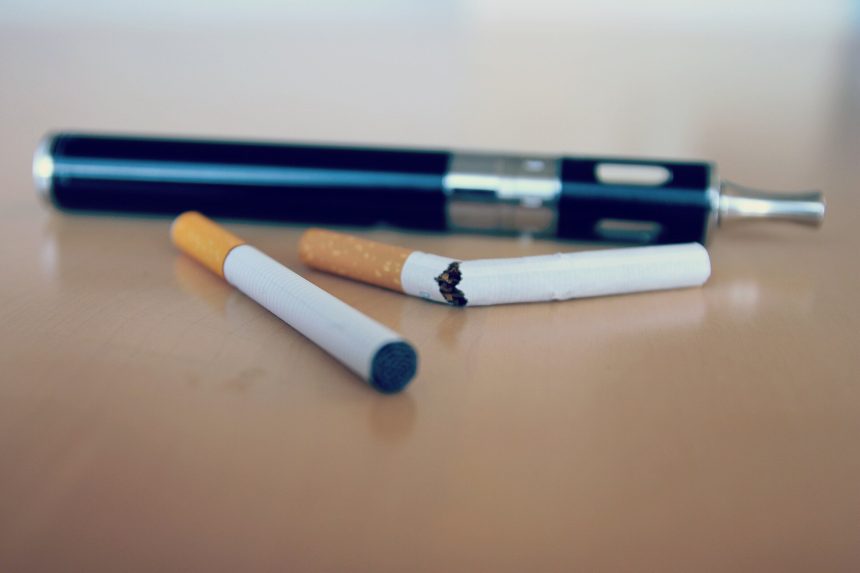
It is a question local doctors hear regularly: I quit smoking, but I vape now, so am I still at risk of lung cancer? The question deserves a fuller answer than a simple yes or no, because risk after quitting is a moving target shaped by your past smoking, your current habits and a body of research that is still being written.
Begin with what quitting itself accomplished. The moment cigarettes leave, the lungs stop receiving a daily dose of tar and combustion chemicals, and the statistical risk of lung cancer, while elevated for years in heavy former smokers, trends downward instead of climbing. Vaping enters that picture as a follow-on exposure, and the task for researchers is to judge how large, or how small, it is next to the one it replaced.
Question one: how different is vapour from smoke?
The difference is substantial, and it starts with fire. Burning tobacco creates the tar and many of the seventy or so known carcinogens in smoke. Heating an e-liquid creates none of that tar, and testing of people who vape exclusively finds dramatically lower internal levels of most smoke toxicants. The Centers for Disease Control and Prevention still cautions that aerosol is not simply harmless mist, noting it can deliver nicotine, ultrafine particles and other potentially harmful substances deep into the lungs.
So the composition question has a settled core, vapour carries far less of what causes smoking-related cancer, wrapped in an unsettled edge, because some aerosol constituents, including certain flavourings and carbonyls formed at high temperatures, have no long safety record as inhaled substances.
Question two: do we have direct cancer evidence?
Not yet, and the reason is arithmetic rather than evasion. Lung cancers develop slowly, and mass vaping began recently in historical terms, so there has not been enough time for a generation of exclusive vapers to reach the ages where lung cancer commonly appears. What exists instead are studies of exposure markers, which fall steeply after switching, respiratory symptoms, which often improve, and laboratory experiments, which counsel care.
The World Health Organization summarises the position by calling the long-term health effects of e-cigarettes not yet fully understood, while listing respiratory and cardiovascular harm among the documented concerns for users generally. Tobacco smoke, by contrast, needs no such qualifiers; its cancer link is among the most proven in all of medicine.
Question three: which habits keep risk higher?
Research points to two. The first is dual use, continuing to smoke some cigarettes while vaping, which preserves nearly all the exposure that quitting was meant to end. Even light ongoing smoking carries disproportionate risk, so the all-or-nothing nature of the switch matters more than the brand of device involved.
The second is simply never tapering off. Using a vape as a months-long bridge is one exposure story; using high-strength liquids for decades is another, and it is the second pattern that long-term studies are now trying to follow. Former smokers who gradually lower nicotine strength tend to find the final step away from vaping easier than those who maintain a heavy habit.
So what should a former smoker actually do?
Keep the quit at the centre. Do not let worries about vaping, which current evidence places far below smoking in carcinogen exposure, push you back towards cigarettes, which would be a clear step backwards. Treat vaping as the lesser and ideally temporary substitute, discuss your personal situation, including whether lung screening fits your history, with a healthcare professional, and seek prompt advice for symptoms such as a cough that will not settle, chest discomfort or unexplained breathlessness.
And if you never smoked, the answer to the original question runs the other way: there is no health case for taking up vaping at all. For the community of ex-smokers asking in good faith, though, the present evidence is more reassuring than alarming, provided the cigarettes truly stay in the past.
Our health desk has reported on other reader questions, including this vaccine trial story, while our top news section covered a major astronomy confirmation this week.